
- All
- Product Name
- Product Keyword
- Product Model
- Product Summary
- Product Description
- Multi Field Search
Views: 174 Author: Site Editor Publish Time: 2026-02-14 Origin: Site


Standing on a product page, many buyers pause at the same question: how many black curly hair bundles are actually enough? Photos look full and glamorous, but real-life results depend on more than just copying what you see online. Length, curl pattern, head size, and installation method all play a role. As a factory-based supplier that has focused on black women’s hair products for more than 15 years, S.human hair works closely with salons, retailers, and wholesalers who face this question every day. This guide explains bundle quantity clearly and practically, helping you avoid underbuying or overbuying while choosing the right configuration for your needs.
There is no single number that fits everyone. A “full head” means different things to different people. Some customers want a light, natural look for daily wear, while others want bold volume for special occasions or professional styling. Bundle quantity is affected by three main factors: how long the hair is, how full you want it to look, and how the hair will be installed.
Curly bundles, in particular, create more visual volume than straight hair, but they also need enough density to avoid thin ends. That is why copying someone else’s bundle count without considering these factors often leads to disappointment.
Curly hair naturally coils and springs back, making it appear shorter than its measured length. This shrinkage creates volume at the top and middle but can leave the ends looking lighter if too few bundles are used. Many first-time buyers underestimate how much hair is needed to keep curly styles balanced from root to tip.
For short to medium curly styles, most people achieve good results with two to three bundles. This range works well for everyday looks that prioritize comfort and manageability. Medium-length curls already provide natural body, so excessive bundles may feel heavy rather than full.
As length increases, curls stretch and spread, making ends appear thinner if density is not increased. For longer curly styles, adding an extra bundle helps maintain fullness and prevents see-through tips. This is one of the most common adjustments experienced buyers make after their first purchase.
Desired length range | Look goal | Suggested bundles | Closure needed? | Notes for curly textures |
Short | Natural | 2 | Optional | Curls create natural fullness |
Medium | Full | 2–3 | Optional | Balanced volume for daily wear |
Long | Full | 3 | Recommended | Prevents thin ends |
Long | Glam | 3–4 | Recommended | Maximum density and drama |
This chart provides a starting point, not a strict rule. Personal preferences and styling goals should always guide the final decision.
A sew-in with leave-out uses your natural hair at the front or crown to blend with the bundles. This method looks very natural when textures match well, but it requires careful styling and protection of the leave-out hair. Because part of your natural hair remains visible, bundle quantity can sometimes be slightly reduced, but curl matching becomes critical.
Using a closure creates a clean, finished look without leaving natural hair exposed. This method is popular for customers who want easier daily maintenance and a consistent appearance. Closures often allow for predictable bundle counts because all coverage comes from the extensions themselves.
Frontals provide the most styling flexibility, allowing different parting options and updos. However, they also require precise installation and ongoing care. When using a frontal, bundle quantity focuses on filling the back and sides evenly, often requiring an extra bundle for longer or fuller styles.
A natural look emphasizes movement and comfort. For this goal, fewer bundles with well-defined curls are often sufficient. Glam volume, on the other hand, prioritizes thickness and visual impact. Achieving this look almost always requires additional bundles, especially with longer lengths.
Head size and natural hair thickness also influence how many bundles you need. A smaller head or finer natural hair may need fewer bundles to achieve balance, while a larger head or thicker hair may require more coverage. These factors are often overlooked but can make a noticeable difference in final results.
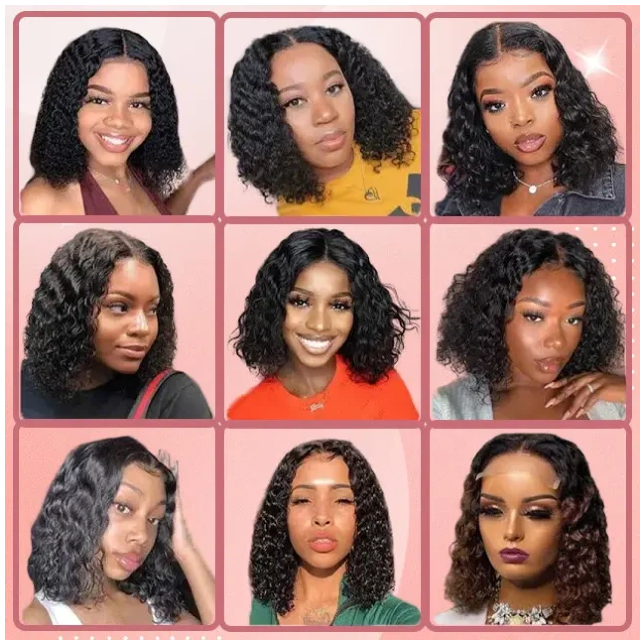
One of the most common complaints after installation is that the ends look thin or sparse. This usually happens when too few bundles are used for the chosen length, especially with curly textures that spread outward.
Trying to fix thin ends by over-layering the same limited hair can cause tangling and matting. Proper bundle quantity from the start creates even distribution and better long-term wear.
Using the correct number of bundles will not help if the curl pattern does not match your leave-out or closure. Consistent curl texture across all pieces is essential for a seamless appearance.
Start by choosing your desired length, then decide how full you want the style to be. Once those two points are clear, select the installation method and adjust bundle quantity accordingly. This logical sequence removes much of the uncertainty from online ordering.
When contacting a supplier, sharing a few key details leads to faster and more accurate recommendations. These include head size, preferred length, installation method, and whether the goal is a natural or glam look. At S.human hair, this information helps our team suggest practical bundle combinations based on real production and styling experience.
Because production and inventory are managed in-house, S.human hair is able to offer stable dispatch schedules and flexible order quantities for different customer types.
For salons and retailers, understanding bundle quantity is not just about personal styling. It affects inventory planning, customer satisfaction, and repeat business. Stocking clear bundle sets for common lengths and styles helps customers make decisions faster and reduces returns caused by unrealistic expectations.
Wholesalers also benefit from educating buyers on bundle quantity. Clear guidance builds trust and positions your business as knowledgeable rather than purely sales-driven.
Daily wear clients often prefer lighter installs that feel comfortable and natural, while event-focused clients prioritize volume and impact. Climate can also play a role. In humid environments, curls may expand, making fewer bundles appear fuller. In drier conditions, curls may need more density to maintain shape.
Professional stylists often adjust bundle count based on face shape and hairstyle design. These practical considerations highlight why flexibility is important when choosing curly hair bundles.
Consistent bundle weight and curl pattern make it easier to predict results. As a supplier with integrated production, S.human hair ensures each bundle meets defined standards, reducing variation between orders. This consistency helps both individual buyers and professional customers achieve reliable outcomes.
Understanding bundle quantity removes one of the biggest barriers to confident purchasing. Knowing how many black curly hair bundles you need depends on length, fullness goals, and installation method rather than a single fixed rule. With clear guidelines and professional support, buyers can avoid common mistakes and achieve balanced, natural-looking styles. If you are planning your next order and want advice tailored to your needs, S.human hair is ready to assist. Contact us to discuss length options, bundle counts, and practical recommendations for your market. Our team is here to help you build the right set of curly hair bundles for a full head.
Most beginners start with two to three bundles, depending on length and desired fullness.
Yes, longer curly styles usually require additional bundles to keep the ends full and balanced.
Tighter curls often look fuller, but they still need enough bundles to avoid thin sections, especially at longer lengths.
It can be helpful to have an extra bundle for adjustments, especially for glam styles or longer lengths, but planning correctly from the start usually prevents the need.
