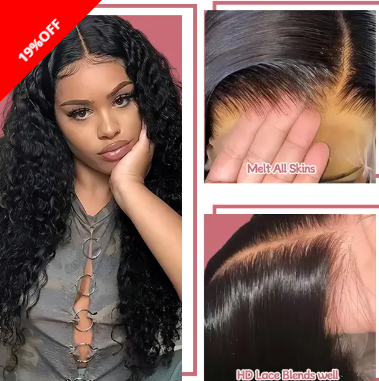
High-quality human hair wigs demand a serious financial commitment. Navigating a market flooded with misleading product descriptions and synthetic blends causes immense frustration. Buyers constantly struggle to differentiate between authentic, high-density frontal wigs and poorly constructed units. Subpar wigs lead to unnatural hairlines, rapid shedding, and mismatched lace tones that fail to blend with melanin-rich skin. Finding the right full frontal lace wig for Black women requires a structured, hands-on approach. You must look past marketing claims and evaluate the physical construction of the unit. We will break down an evaluation framework to assess lace quality, parting dimensions, texture compatibility, and supplier credibility. This framework ensures a seamless, long-lasting installation for your next hair purchase.
Key Takeaways
Parting Depth Dictates Versatility: The choice between a 13x4 and a 13x6 frontal determines styling flexibility, with 13x6 offering deeper, more natural-looking parts at a higher price point.
Lace Material is Critical for Melanin-Rich Skin: HD lace provides the most undetectable "melt" for Black women, though it requires more delicate handling compared to standard transparent or Swiss lace.
Texture Dictates Maintenance: While a body wave full frontal lace wig offers high versatility for heat styling, a water wave full frontal lace wig requires specific detangling and moisture-retention routines to prevent matting.
Supplier Vetting Prevents Costly Mistakes: Identifying a transparent human hair wig supplier involves analyzing raw hair sourcing, density accuracy, and return policies, especially when purchasing wholesale lace wigs or shopping online.
Framing the Decision: Why Choose a Full Frontal Lace Wig?
Understanding the structural benefits of a frontal helps you make informed styling choices. A successful frontal installation hinges on specific physical criteria. The unit must provide seamless ear-to-ear coverage, laying completely flat against the sideburns and temples. It should create the flawless illusion of a natural scalp at the hairline. Furthermore, it must allow you to pull the hair back into half-up styles without exposing the wig tracks sewn into the back of the cap. Achieving this level of realism requires the right cap construction and proper sizing.
Shoppers frequently weigh closures against frontals and full lace wigs. Standard 4x4 or 5x5 closures are highly beginner-friendly. They require low maintenance and minimal adhesive because they only cover the top crown section of the head. However, closures restrict your styling to a narrow top section, preventing deep side parts or pulled-back styles. Full lace wigs offer maximum versatility. You can part them anywhere, wear high ponytails, or execute complex braided styles. Yet, full lace units carry the highest fragility and require intense daily maintenance to keep the entire perimeter glued or secured. The frontal wig establishes itself as the ideal middle ground. It delivers extensive frontal styling options without the demanding full-cap maintenance of a full lace unit.
Installation methods also dictate your structural requirements. Glueless installations rely on temporary holding sprays, styling mousse, or pre-cut glueless bands sewn into the nape. These methods demand a perfectly fitted cap size to lay flat without tension. Adhesive installations use long-term lace glues for extended wear, often lasting up to two weeks. Glued frontals require a wider lace margin for the adhesive to cure properly against the skin without seeping into the hair knots. If you are not yet ready for adhesive commitments, beginner alternatives exist. Headband wigs offer a secure fit without any lace manipulation, serving as a stepping stone to more complex units.
Evaluating Parting Space: 13x4 vs. 13x6 Dimensions
The dimensions of your lace dictate exactly how you can part and style your hair. Understanding the physical measurements prevents disappointment when you attempt complex styles at home. The numbers represent the width across the hairline and the depth going back toward the crown.
The 13x4 Full Frontal Lace Wig
This unit covers 13 inches across the hairline, stretching from ear to ear. It extends 4 inches back into the crown of the head. The 13x4 full frontal lace wig represents the industry standard for frontal pieces and is the most commonly stocked dimension.
Best Use Cases: This dimension is ideal for standard middle parts. It also accommodates basic side parts effectively. You can easily execute low ponytails and simple half-up styles where the parting does not need to go deep into the scalp.
Trade-offs: You face limited ability for deep, sweeping side parts. The 4-inch depth restricts how far back you can push a dramatic part. If you attempt a deep part, you will expose the tracks where the lace ends and the wefts begin.
The 13x6 Full Frontal Lace Wig
This upgraded unit also covers 13 inches across the hairline. However, it features a deeper 6-inch parting space extending toward the back of the head. This extra two inches fundamentally changes how the wig behaves and moves.
Best Use Cases: The deeper lace is essential for deep side parts. It allows for complex braiding at the front of the unit, such as feed-in braids or twists. The extended lace provides maximum scalp illusion, making the hair appear as if it grows directly from your head even when parted far back.
Trade-offs: A 13x6 full frontal lace wig requires a higher initial investment due to the extra hand-tied labor. It also demands careful plucking and customization over a larger surface area. Without proper thinning, the expanded lace area can create a dense, unnatural look at the crown.
Feature
13x4 Frontal Dimension
13x6 Frontal Dimension
Lace Depth
4 inches back from hairline
6 inches back from hairline
Styling Versatility
Moderate (Standard parts, low ponytails)
High (Deep parts, front braids, half-up styles)
Customization Effort
Standard plucking required along the front
Extensive plucking required throughout the deep part
Scalp Illusion
Good realistic finish for basic styles
Maximum realistic finish for complex styles
Ventilation
Standard breathability
Higher breathability due to more lace surface area
Selecting Textures for Natural Integration and Lifestyle
Hair texture impacts your daily maintenance routine more than any other factor. You must align the wig's texture with your lifestyle, patience level, and styling capabilities. Buying a high-maintenance texture without the time to care for it leads to matting and premature replacement.
Body Wave Full Frontal Lace Wig
The body wave texture offers a loose, natural "S" pattern. You must evaluate the ability of the hair to hold a curl post-washing. High-quality human hair will revert to a soft wave after a wash. You should also test its ability to handle bone-straight styling without sustaining heat damage. A true virgin body wave can be flat-ironed straight and will regain its wave once wet.
The maintenance reality of a body wave full frontal lace wig involves routine heat application. You will need a curling iron, wand, or flexi-rods to maintain a defined "S" pattern over time. If the manufacturer over-processed the hair to achieve the wave, the unit is prone to losing its texture permanently after a few washes. Always use a thermal protectant spray before applying hot tools, keeping temperatures below 400 degrees Fahrenheit to prevent scorching the cuticles.
Water Wave Full Frontal Lace Wig
Water wave hair features a tighter, more textured curl pattern that mimics natural wet-and-wavy styles. When evaluating this texture, analyze the curl definition and overall density. High-density water wave units can look overly bulky or unnatural if the stylist does not properly layer the tracks. The curls should clump together naturally without looking frizzy straight out of the package.
The maintenance reality here centers on moisture. A water wave full frontal lace wig has a high moisture requirement. It needs daily application of curl-defining creams or a dedicated water and leave-in conditioner mix. You face a high risk of nape tangling if friction occurs against heavy clothing or winter coats. You must use a wide-tooth comb or a specialized detangling brush, starting from the ends and working upward. Never brush water wave hair while it is completely dry, as this causes severe breakage and shedding.
Matching Natural Textures (4C, Kinky Straight, and Yaki)
Many wearers prefer textures that closely mimic natural Type 4 hair. You should assess "blown-out" or Afro textures for their softness and realistic luster. Kinky straight and Yaki textures replicate the look of natural hair that has been blow-dried or lightly pressed. They should have a low luster, avoiding the shiny, plastic look of synthetic blends.
These textures are highly beginner-friendly. The inherent volume naturally hides the lace grid, making the knots less visible. This provides a more realistic transition for leave-outs if you adapt the unit into a flip-over half-wig style. It aligns perfectly with a natural aesthetic and requires far less daily manipulation than silky straight textures. You can often maintain kinky straight hair with just a light serum and a paddle brush.
Assessing Lace Quality, Density, and Cap Construction
The foundation of any good wig lies in its cap construction. The lace material and hair density determine how undetectable the unit will look once installed. A poor lace foundation ruins even the highest quality hair bundles.
Lace Types and Skin Tone Matching
Selecting the correct lace material is critical for melanin-rich skin. The lace must melt into the skin without leaving a visible gray or white cast around the perimeter.
HD Lace: High Definition lace is the thinnest material available. It melts into any skin tone seamlessly, providing an undetectable finish. However, it is highly fragile. HD lace is prone to tearing during the plucking process or if you scratch your scalp too vigorously. It is best reserved for special occasions or wearers experienced in delicate lace handling.
Transparent and Swiss Lace: These materials are thicker and more durable than HD lace. They withstand daily wear and tear much better, making them ideal for everyday units. However, they require extra work to match darker skin tones accurately. You will need to use lace tinting foams, specialized lace sprays, or powder makeup to blend the lace with your complexion before installation.
Density Realities (150% vs. 180% vs. 200%+)
Hair density dictates the realism and fullness of the wig. Density refers to the amount of hair ventilated into the cap. Choosing the wrong density results in a wig that looks either unnaturally thin or helmet-like.
150% Density: This mimics a natural, everyday hair density. It is lightweight and moves freely. It works best for shorter lengths, typically under 18 inches.
180% Density: This provides a fuller, more glamorous look. It is the most popular choice for standard frontals, offering volume without looking excessively heavy. It supports lengths up to 24 inches perfectly.
200% to 250% Density: This extreme fullness is strictly required for longer lengths, usually 26 inches and above. Without this higher density, long wigs suffer from thin, stringy ends that look unnatural. However, high-density wigs require heavy thinning around the hairline to prevent a harsh, bulky perimeter.
Pre-Plucked Hairlines and Bleached Knots
Vendors frequently market their wigs as "ready to wear." You must evaluate these claims critically. While a factory pre-plucked hairline provides a good starting point, it rarely matches your specific natural hairline. The reality is that most frontals require secondary knot bleaching. Dark hair tied to lace creates visible black dots. Bleaching these knots lightens them to a scalp-like color.
To bleach knots properly, mix a 20 or 30 volume developer with powder bleach until it forms a thick paste. Apply it lightly to the inside of the lace, ensuring it does not seep through to the hair shafts. Let it process for 15 to 20 minutes, then wash immediately with a neutralizing shampoo. Furthermore, a professional stylist usually needs to perform custom plucking with tweezers to create a truly natural, graduated hairline finish.
Sourcing: How to Vet a Human Hair Wig Supplier
Purchasing hair online carries inherent risks. You must know how to separate reputable vendors from those selling low-quality, synthetic blends. A thorough vetting process saves you from wasting hundreds of dollars on unwearable units.
Navigating Online Purchases Safely
Verification tactics are essential before completing a transaction. Look closely for customer photo and video reviews. Do not rely solely on influencer promotional videos, as these units are often hand-picked and highly customized by professional stylists before filming. Verify the cap size measurements carefully. Vendors should offer small, medium, and large caps based on exact circumference measurements in inches. Measure your head with a flexible tape measure before ordering. Finally, check the website for secure payment gateways to protect your financial data.
Identifying a Reliable Human Hair Wig Supplier
A trustworthy human hair wig supplier operates with complete transparency regarding their products and sourcing methods.
Analyze the Imagery: Avoid vendors using generic stock photos of celebrities. Demand video evidence showing the actual lace grid up close, demonstrating the knot size and lace thinness.
Check the Terminology: Vague terms like "premium blend" or "silky human feel" almost always indicate the presence of synthetic fillers mixed with the human hair. Look for terms like "100% virgin human hair" or "raw donor hair."
Review the Policies: A reliable vendor provides clear return policies on unaltered lace. They should also offer responsive customer service that can answer specific questions regarding hair origin, such as whether the hair is raw virgin or chemically processed.
Considerations for Wholesale Lace Wigs
If you are a stylist, salon owner, or bulk buyer, your sourcing criteria must be stricter. Purchasing wholesale lace wigs requires evaluating the vendor on a larger scale to protect your business reputation.
Consistency Across Batches: The vendor must deliver the same texture, density, and lace quality in every single order. Inconsistent batches ruin a salon's reputation. Ask the vendor about their quality control processes before signing any agreements.
Sample Order Requirements: Always order a single unit first. Test the hair by bleaching a small section to a #27 honey blonde and applying high heat. If the hair melts, smells like burning plastic, or fails to lift evenly, do not buy in bulk.
Wholesale Pricing Tiers: Evaluate their pricing structure. The wholesale discount must leave enough room for a profitable retail markup without pricing your clients out of the local market. Ensure shipping times align with your salon's booking schedule.
Implementation Risks, Daily Upkeep, and Mitigation
Owning a frontal requires a commitment to maintenance. Neglecting daily upkeep leads to rapid deterioration of the lace and the hair. Implementing proper installation and washing routines extends the life of your unit significantly.
The Bald Cap Method for Edge Protection
Improper use of lace glue causes severe damage to your natural hairline. You must protect your natural edges using the bald cap method. First, slick your natural hair back using a strong-hold gel. Apply a thin, nude wig cap over your head, pulling it past your hairline. Spray a holding spray along the hairline over the cap and dry it with a blow dryer on a cool setting. Once hardened, cut the excess cap away. Apply your lace adhesive directly onto the hardened cap, shielding your natural edges from the glue entirely.
Lace Balding and Shedding
Shedding is inevitable with hand-tied frontals. Each hair is individually knotted onto the delicate lace. Over time, brushing and styling loosen these knots. You can mitigate this by applying a liquid knot sealer to the inside of the lace before your first install. Let the sealer dry completely before wearing the wig. Furthermore, minimize heavy scratching on the scalp. Avoid excessive tension during styling, especially when pulling the hair into tight ponytails or heavy updos.
Washing and Storage Routines
Establish strict best practices for washing your unit to prevent matting.
Detangle First: Always brush the hair thoroughly from ends to roots before introducing any water.
Unidirectional Washing: Never scrub the hair in a circular motion. This causes severe tangling at the nape. Instead, stroke a sulfate-free shampoo downward from the roots to the ends.
Rinse and Condition: Rinse the hair in the same unidirectional manner. Apply a deep conditioner, avoiding the lace knots, and let it sit for 20 minutes before rinsing.
Proper Storage: Store the unit on a canvas block head to maintain the cap's shape. If traveling, place the dry wig inside a silk or satin bag to preserve the hair pattern and protect the fragile lace from snagging.
Longevity Expectations
Set realistic timelines for your investment. Human hair frontals do not last forever. The lace is designed to be thin and delicate for realism, which inherently reduces its lifespan. A heavily worn frontal installed with adhesive may begin to bald or tear after two to three months of continuous wear. At this point, the frontal piece will need to be replaced or professionally re-ventilated, even if the bundles in the back remain in excellent condition. Rotating between multiple wigs significantly extends the life of each unit.
Conclusion
Securing a natural-looking frontal requires careful attention to cap construction, lace material, and texture. By applying a strict evaluation framework, you protect your investment and ensure a flawless installation. Follow these actionable steps for your next purchase:
Measure your head circumference accurately with a flexible tape measure to ensure you order the correct cap size, preventing lace bunching or tension headaches.
Request close-up photos of the lace grid and knots from the vendor to verify the true density and plucking requirements before buying.
Invest in a high-quality knot sealer and lace tinting foam immediately after purchase to prepare the unit for a realistic melt.
Establish a strict unidirectional washing routine and utilize a canvas block head for storage to maximize the lifespan of the fragile lace.
FAQ
Q: Can I wear a full frontal lace wig without using glue?
A: Yes. You can install a frontal using glueless methods. This involves using an adjustable elastic band sewn into the back of the cap to pull the lace taut. You can also use temporary holding sprays or styling mousse to lay the lace flat against your skin without long-term adhesive.
Q: How do I stop my water wave wig from tangling at the nape?
A: Tangling at the nape is caused by friction against your clothing. To prevent this, apply a lightweight leave-in conditioner and a silicone-based serum directly to the nape area daily. Detangle gently with a wide-tooth comb from the ends upward.
Q: What is the difference between transparent lace and HD lace?
A: HD lace is extremely thin and delicate, allowing it to melt seamlessly into any skin tone without heavy makeup. Transparent lace is thicker, more durable, and usually light in color. It requires lace tinting or makeup to blend properly with darker skin tones.
Q: How often should I wash my human hair wig?
A: Wash your wig every 7 to 10 wears if you use heavy styling products or adhesives. If you wear it glueless and use minimal products, you can stretch washing to every 14 to 20 wears. Over-washing strips the hair of its added moisture.
Q: Why are the knots on my lace frontal so visible?
A: Visible knots occur because dark hair is tied directly to the light lace, creating small black dots. To fix this, the knots must be bleached using a lightener and developer mix. This turns the knots to a blonde or scalp-like color, making them invisible.
Q: Can I dye or bleach my body wave wig?
A: Yes, if the wig is made of 100% virgin human hair, it can be dyed or bleached. However, chemical processing alters the hair cuticle and can loosen the body wave pattern. Always perform a strand test first and deep condition the hair afterward.
We are always ready to assist you with your inquiries. You can contact us via email or WhatsApp, and we will make every effort to help resolve your issues and meet your needs.